
Avid Reader
A guideline to buying and borrowing books, and one other reading maxim. Please disregard.

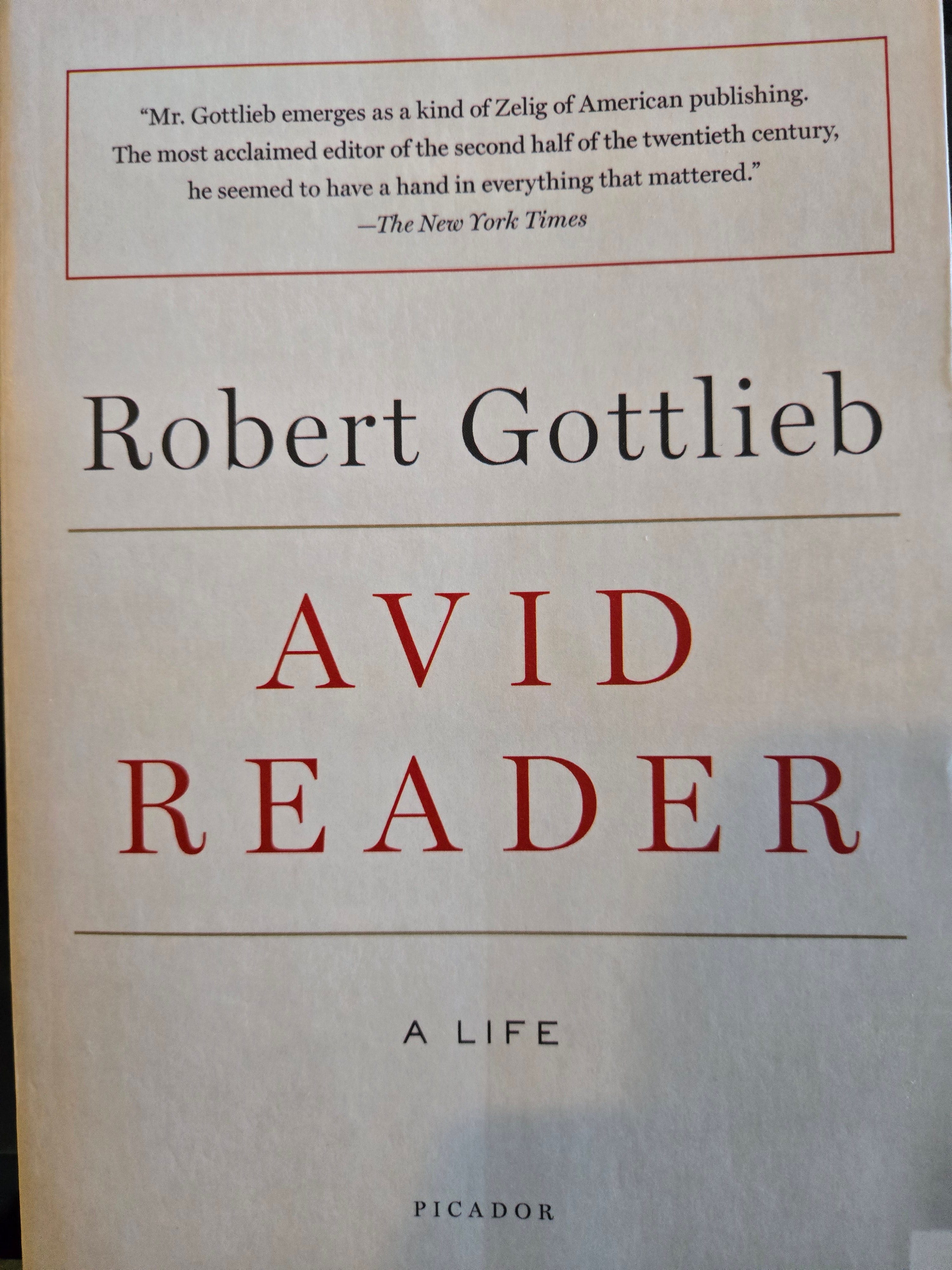
In downtown Toronto this past week, I gravitated towards the BMV (Books, Movies, Videos) second-hand bookstore (there are three in the city). I was on a bit of a mission: tracking down a title once listed in the library collection but no longer in evidence: Robert Gottlieb’s autobiography Avid Reader. He had a storied career editing the likes of Toni Morrison, Michael Crichton, John Le Carre, and my fave, Anne Tyler (and as the back cover says, even Miss Piggy).
I used to have it on my library “Saved” list (currently 147 titles). They must have excised it from the collection due to lack of demand.
I did not expect to see a copy in the Literary Memoir section (they have one) yet there it was. A find! I scooped it up, knowing of course the dollars I saved from not buying it new (it’s still available). Making the discovery made me so happy.
I’m older and have no interest in greatly expanding my book collection. (Look for the bookshelf photo later.) My family will have to deal with it after I’m gone. I have no intention of leaving the planet just yet, though you never know. Downsizing my possessions occupies my mind frequently.
I really shouldn’t buy any more books.
Then there’s the pure love of printed matter. As a friend’s t-shirt reads: Lead me not into temptation… especially bookstores.
I love it all. The look on the bookshelf, the smell of page and ink, the satisfying feel and sound of turning a page. Scrolling on a device cannot compete.
So I break the rule sometimes. Above is a case in point: a book unavailable at the library.
What other rules might apply?
(I’ve definitely said aspects of this before. As the linked blog attests, when and where I am when I’m reading affects what I choose.)
Buy Nonfiction (in this case, on the craft of writing)
I just finished Matt Bell’s Refuse to Be Done How to Rewrite a Novel in Three Drafts. (I think I’m on draft eight).
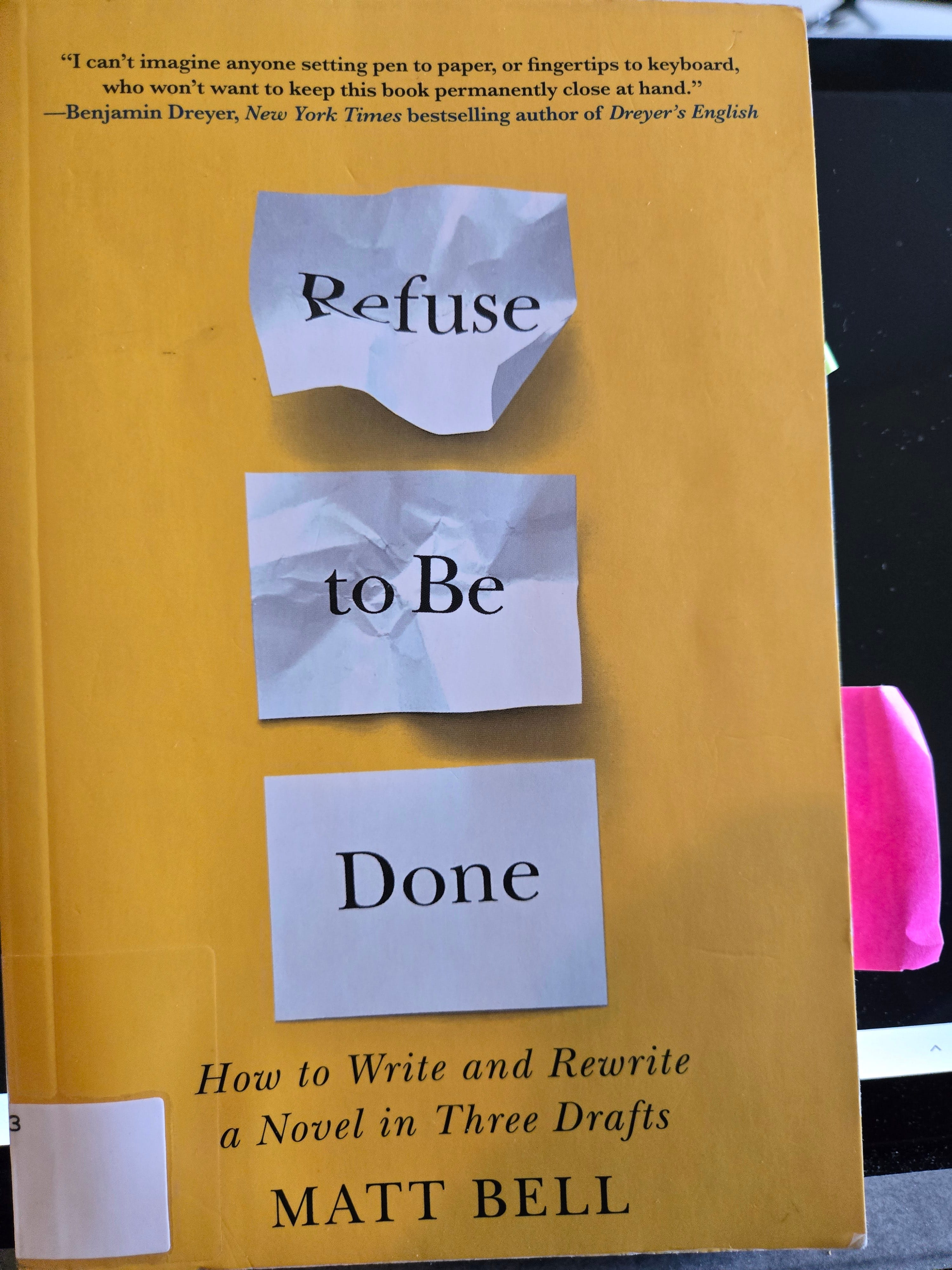
Note the tell-tale library sticker on the binding and colorful post-it markers for bon mots.
I was pleasantly surprised to find it available in the library. I might buy it. Lots of tips I already follow (like not overusing the verb to be) but there are many others. There is a terrific list of books at the end, creative works, and of the craft, such as a classic by John Wood. When I took a writing workshop with Emily Johnson, I believe she referenced it more than once.
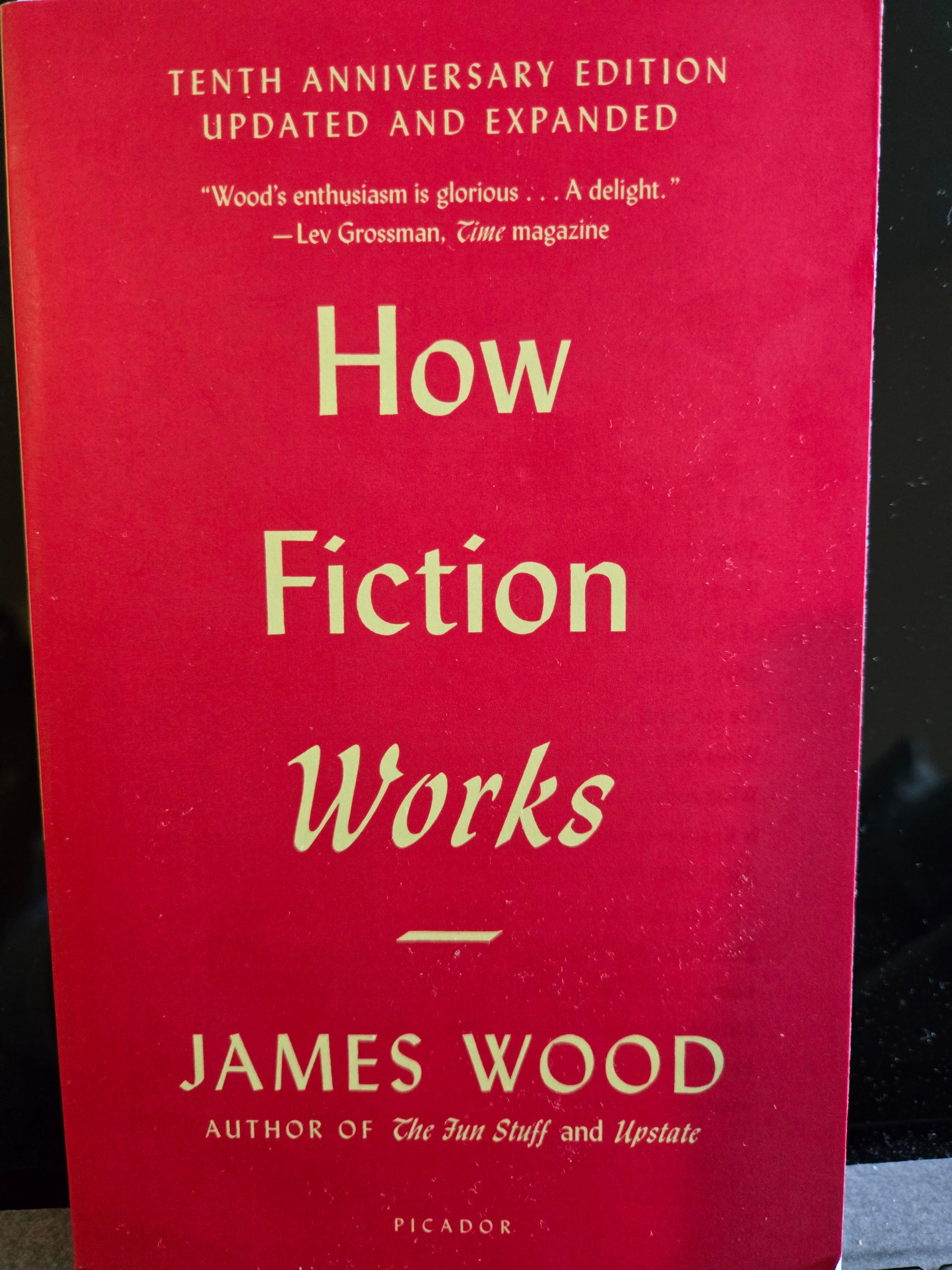
Literary craft books are worth purchasing. They are talismans that can inspire and buoy you up when the creative journey seems uphill. So happy to pick up the Wood book for $9.99 at BMV. Could I have waited to check on library availability? I didn’t feel like passing up the copy staring me in the face.
Borrow fiction
Are you really going to read a novel more than once? Maybe, but unlikely.
Add this maxim:
Reread books you already own.
The Prime Video presentation of Hedda sent me back to Ibsen’s play Hedda Gabler, which I studied more than once circa 1980 (according to the paperback’s inscriptions) and of course, which I’ve seen on stage.
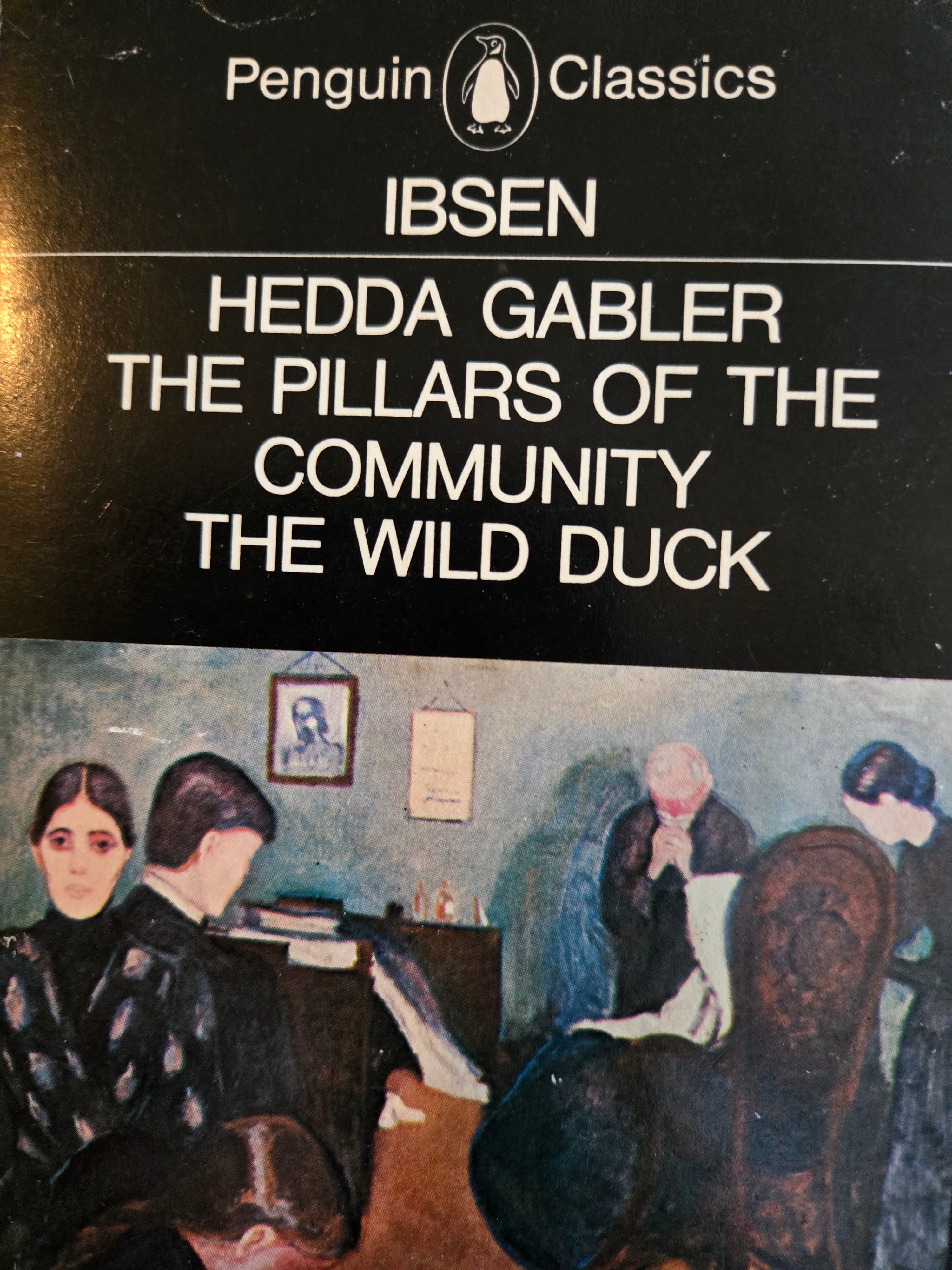
Spoiler: I only have Act Four to finish before she takes the gun to herself. (It’s handled differently in the latest movie.) The radical retelling made me consider the original anew.
Then it’s on to a new volume on reserve from the library. A novel I moved from my “Saved” list to “Holds” arrived. The Debt to Pleasure by John Lanchester.
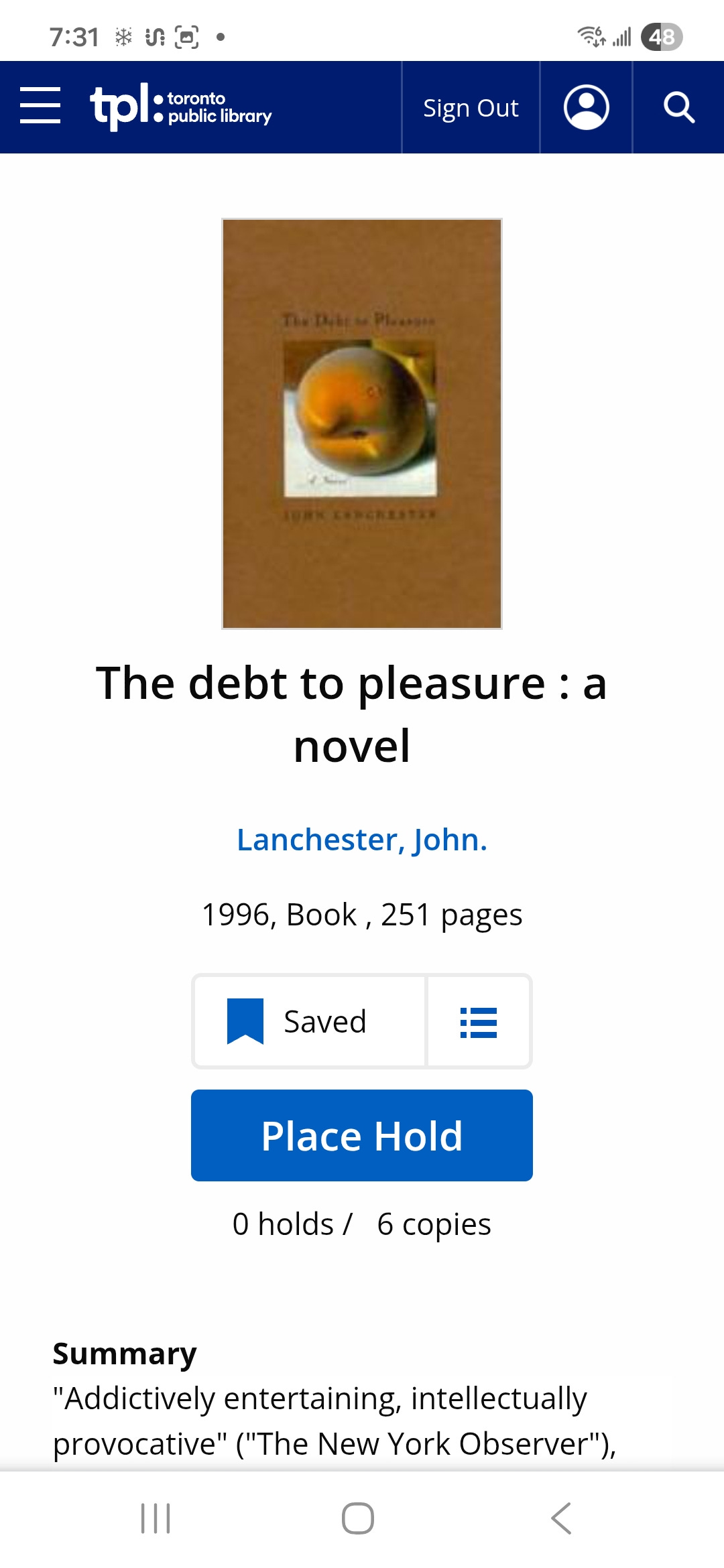
A long ago recommendation I don’t recall from where, or whom. Will I want to buy it and add it to my collection? Let’s read the library copy first. As soon as I finish with Hedda.
Do I hold to the maxim? Buy nonfiction, borrow fiction. No. I have an extensive fiction collection, and tons of plays (not pictured). Touchstones, there to inspire, even if I never reopen them.
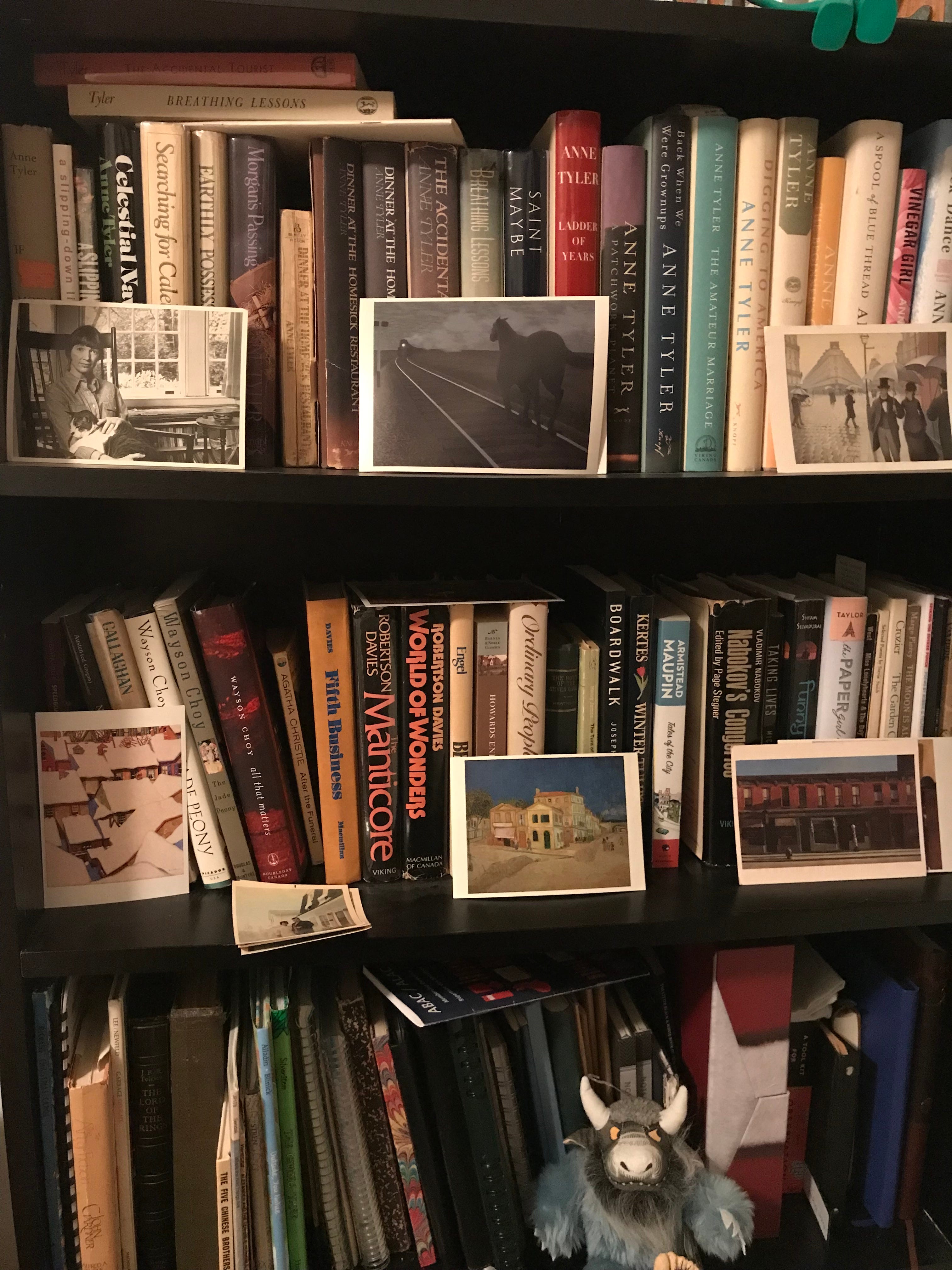
What about the books I bought this week?
They’ll get read too. I can juggle one non-fiction and one fiction simultaneously. I try not to do more. It doesn’t seem fair to the books, nor to my sometimes fuzzy brain and memory.
I don’t buy as much fiction as I used to, but sometimes. Two cases in point:
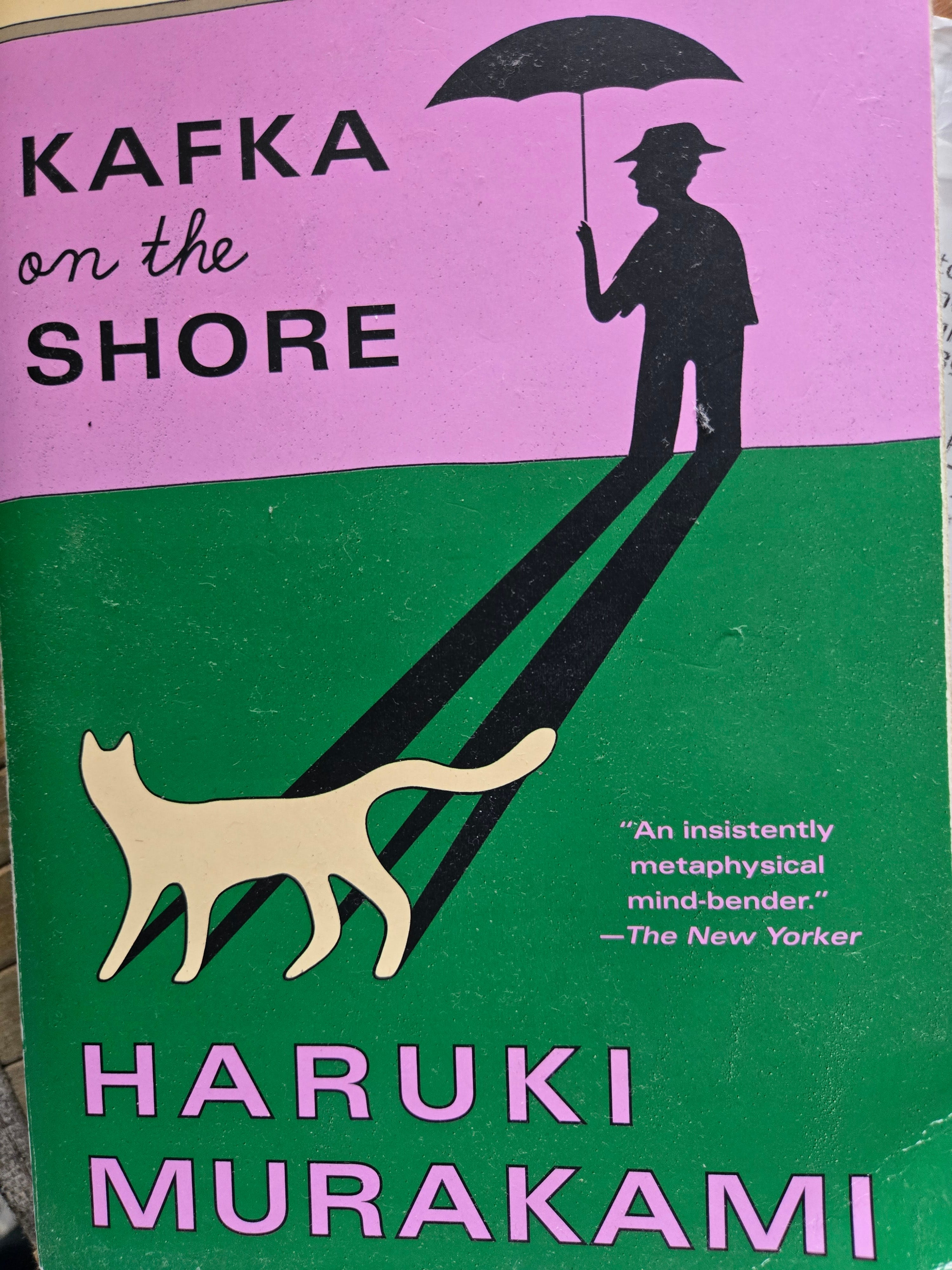
In the past year, I purchased Murakami’s Kafka by the Shore, after having borrowed it before. I’ve read it twice, and quite sure I will read it again. It’s tantalizingly mysterious.
Emboldened by the HBO series The Gilded Age, I bought Edith Wharton’s The Age of Innocence. The story helped me understand what inspired the serial, sometimes right down to plot, not just art direction.
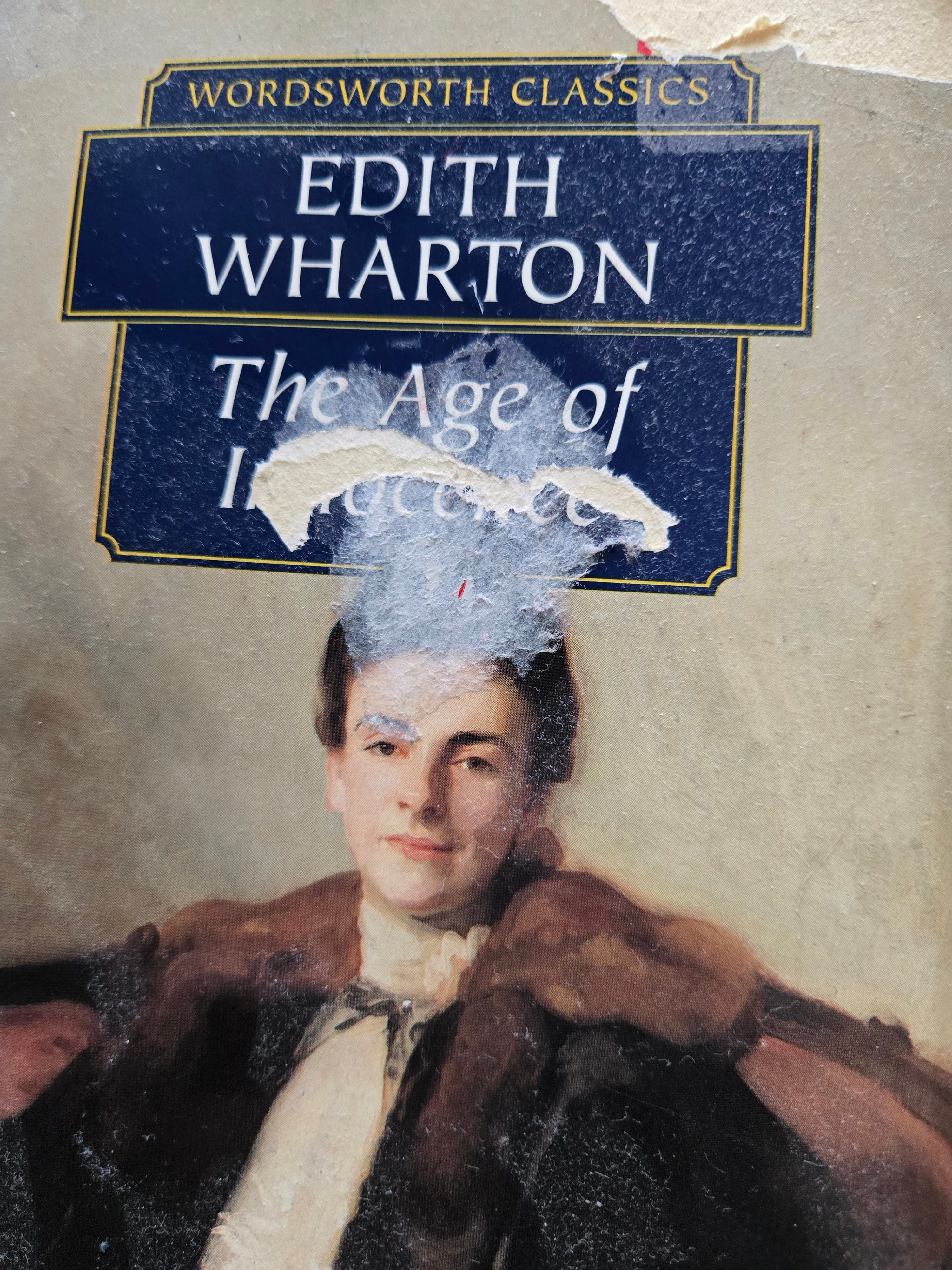
Note how worn the cover is. It was a steal at Rereading on Toronto’s Danforth. Could I have waited to check the library? It’s definitely there. The purchase was tempting me at the exact moment I was thinking of diving in. I enjoyed it- Wharton is so accessible- but doubt I will give it another go-around. I’ll try to pay it forward to another invested reader.
It does make me want to revisit the Scorcese film (1993), preferably the Criterion version. It’s on various streaming platforms for a price. Does BMV or Rereading have the DVD? No need. I can borrow it. I checked.
One reading or watching experience leads to another, some costing money, some not. It’s a matter of choice.
In summary: Buy nonfiction, borrow fiction, and reread your existing collection.*
*Do as I say, not as I do.
Greatly enjoyed this piece and accompanying pictures. I’ve had the same thoughts re my large collection of fiction and nonfiction…applying some rules to stem its growth might be an idea.
<3